If you’re considering a bathroom remodel to improve safety and accessibility, Medicaid might cover some of the costs. Understanding how Medicaid supports these modifications is essential, especially if you or a loved one has specific medical needs. By exploring eligibility criteria and the application process, you can determine if you qualify for funding. However, maneuvering this system can be complex, and there are important details to address before proceeding. What exactly do you need to know?
Key Takeaways
- Medicaid covers necessary bathroom modifications like walk-in showers, grab bars, and non-slip flooring to enhance safety and accessibility.
- To qualify for bathroom remodel coverage, individuals must be Medicaid recipients with documented medical needs for modifications.
- The application process involves gathering medical records, confirming eligibility, and submitting applications well in advance of planned renovations.
- Selecting a qualified contractor familiar with Medicaid guidelines ensures compliance and quality workmanship for the bathroom remodel.
- Additional funding sources, including state programs and grants, may be available to assist with costs beyond Medicaid coverage.
Understanding Medicaid and Its Purpose
When you consider healthcare options, understanding Medicaid’s purpose is essential, as it provides critical support for low-income individuals and families.
Medicaid benefits extend beyond basic healthcare, encompassing services that promote independent living and well-being. However, many hold Medicaid misconceptions, believing it only covers hospital visits or basic medical care.
In reality, Medicaid can also assist with necessary home modifications, enhancing accessibility for those with disabilities. This program’s extensive nature underscores the importance of recognizing its role in supporting vulnerable populations.
Types of Home Modifications Covered by Medicaid
While many people may not realize it, Medicaid covers a range of home modifications designed to enhance accessibility for individuals with disabilities.
These modifications focus on accessible design and safety features, ensuring you can live comfortably and securely in your home.
Here are some typical modifications covered:
- Walk-in showers with grab bars
- Wheelchair ramps for easy entry
- Widened doorways for better access
- Non-slip flooring to prevent falls
These modifications not only improve your quality of life but also foster independence, allowing you to navigate your home with confidence and ease.
Eligibility Criteria for Medicaid Home Modifications
To qualify for Medicaid home modifications, you must meet specific eligibility criteria that generally include being a Medicaid recipient and having a documented medical need for modifications. It is crucial to understand how your situation aligns with Medicaid eligibility requirements.
| Criteria | Description |
|---|---|
| Medicaid Recipient | You must be enrolled in a Medicaid program. |
| Documented Medical Need | A healthcare provider must certify the need for modifications. |
| Financial Criteria | Your income and assets must fall within Medicaid limits. |
Understanding these criteria can help you navigate the process of obtaining necessary home modifications efficiently.
The Application Process for Funding
To secure funding for a bathroom remodel through Medicaid, you’ll first need to understand the eligibility requirements specific to your situation.
Once you confirm your eligibility, you can follow a series of structured steps to complete the funding application.
This process is essential for ensuring that you receive the necessary financial support for your home modifications.
Eligibility Requirements Overview
Understanding the eligibility requirements for Medicaid bathroom remodel coverage is essential, as these guidelines determine who can access financial assistance for necessary home modifications.
To qualify, you typically need to meet specific Medicaid eligibility criteria, including:
- Demonstrating a medical necessity for the remodel
- Meeting income and asset limits
- Being a resident of the state providing the coverage
- Possessing a disability or age-related condition that impacts mobility
Funding Application Steps
When you’re ready to apply for Medicaid bathroom remodel funding, you’ll need to navigate a series of structured steps to ascertain your application is complete and accurate.
Start by identifying potential funding sources, including state Medicaid programs and local agencies. Next, gather necessary documentation, such as medical records and estimates from contractors.
Be mindful of the application timeline; submit your application well before any planned renovations. After submission, follow up regularly to ascertain your application is being processed.
Necessary Documentation for Bathroom Remodel Requests
What documentation do you need to secure Medicaid coverage for a bathroom remodel?
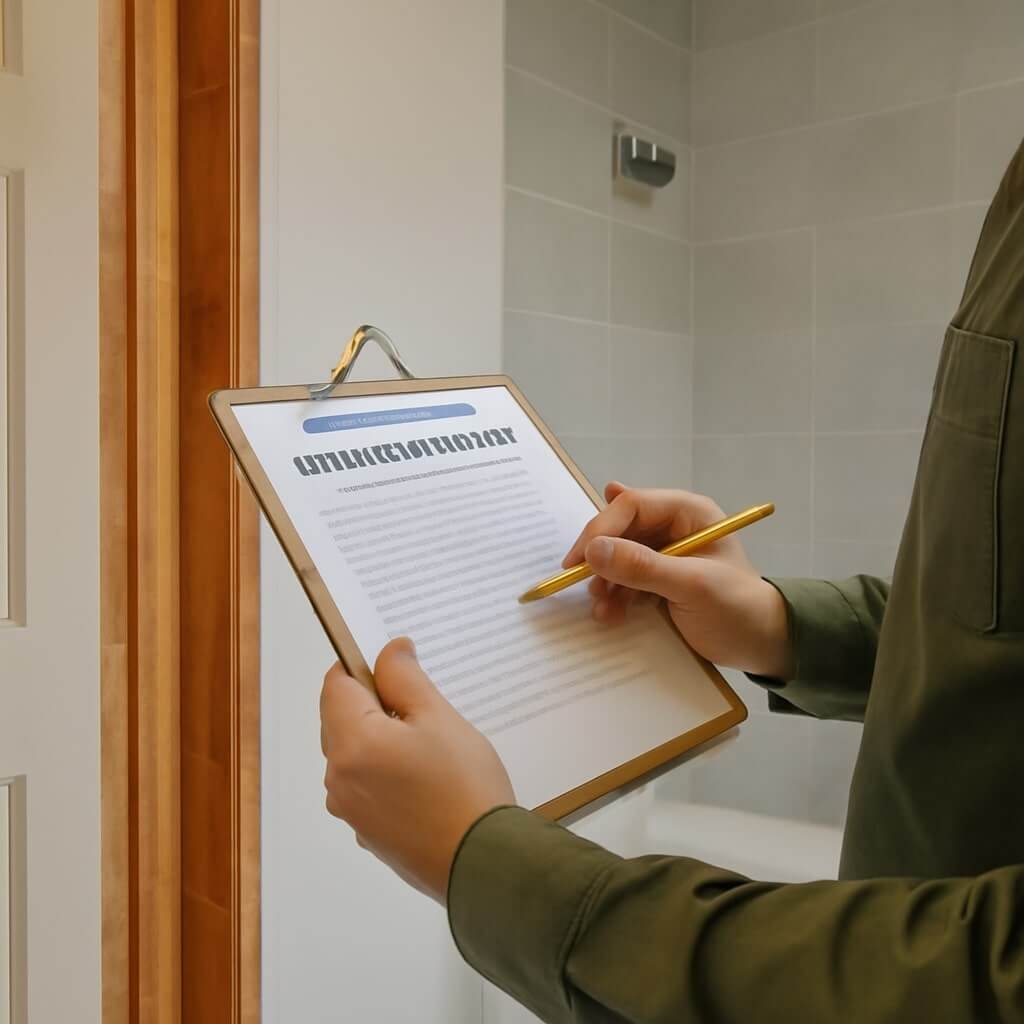
To guarantee your request is processed efficiently, prepare a thorough documentation checklist. You’ll need to submit necessary forms, including:
- A detailed description of the remodel
- A physician’s recommendation justifying the need
- Detailed cost estimates from contractors
- Proof of your Medicaid eligibility
Having these documents ready not only speeds up the approval process but also reinforces your case for a safer, more accessible bathroom.
With the right documentation, you can focus on the benefits of your remodel without unnecessary delays or complications.
Choosing the Right Contractor for Your Remodel
When choosing a contractor for your bathroom remodel, start by verifying their credentials to guarantee they’re licensed and insured.
Next, assess their experience and specialization in bathroom renovations, as this can greatly impact the quality of your project.
Finally, review their previous projects to gauge their workmanship and style compatibility with your vision.
Verify Contractor Credentials
Guaranteeing the integrity of your bathroom remodel hinges on verifying contractor credentials.
You need to confirm that your chosen contractor holds the necessary contractor licensing and contractor insurance. This protects you from potential liabilities and guarantees quality work.
- Peace of mind knowing you’re protected
- Confidence in your investment
- Assurance of professional standards
- Trust in the remodel process
Assess Experience and Specialization
Choosing the right contractor for your bathroom remodel requires evaluating their experience and specialization, as these factors directly impact the quality of the work.
Start by reviewing qualifications through their education, certifications, and years in the industry. Look for contractors who specialize in bathroom remodels, as their focused expertise guarantees they’re familiar with the latest trends and regulations.
Assessing expertise involves checking their familiarity with Medicaid guidelines if applicable, making sure they understand how to accommodate specific needs.
This targeted approach won’t only enhance the remodel’s outcome but also help you feel confident in your contractor’s ability to deliver quality results.
Review Previous Projects
Evaluating a contractor’s previous projects offers valuable insights into their capabilities and style. By reviewing their past work, you can assess the likelihood of successful remodels that meet your needs.
- You’ll see the attention to detail they provide.
- You’ll gauge their ability to work within budgets.
- You’ll notice how they handle challenges creatively.
- You’ll feel reassured by client testimonials and satisfaction.
Incorporating these elements into your decision-making process guarantees you choose a contractor who aligns with your vision, ultimately leading to a bathroom remodel that enhances your quality of life.
Common Bathroom Modifications Covered by Medicaid
When considering bathroom modifications covered by Medicaid, it’s important to understand the common adaptations that can enhance accessibility and safety.
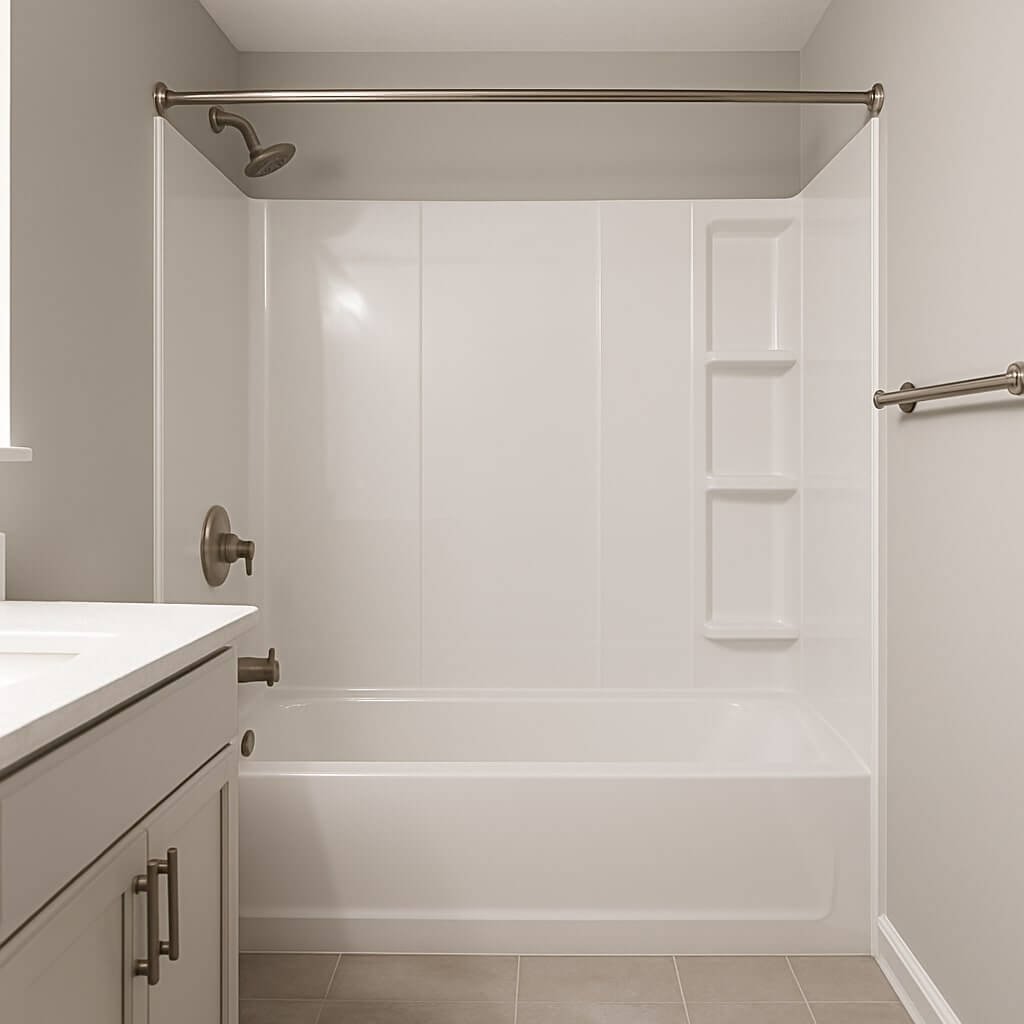
Medicaid often covers grab bars, which improve stability and reduce fall risks. Additionally, installing a walk-in shower or tub can greatly improve bathroom accessibility for individuals with mobility challenges.
Raised toilet seats and adjustable shower heads also contribute to safety features, ensuring ease of use. Non-slip flooring is frequently included to prevent accidents.
Funding Limits and Coverage Caps
Although Medicaid provides essential support for bathroom remodels, it’s crucial to be aware of the funding limits and coverage caps that may affect your modifications.
These restrictions can greatly impact your ability to create a safe and accessible environment.
- You mightn’t get the full amount you need.
- Important features could be left out due to caps.
- Your independence may feel threatened by insufficient funds.
- You could face delays in achieving a functional space.
Understanding these funding limits and coverage caps can help you plan effectively and advocate for the modifications you truly require.
Additional Resources for Home Modifications
Maneuvering the complexities of home modifications can be overwhelming, but several resources can help you secure the funding and support you need. Organizations like the Home and Community-Based Services (HCBS) offer tailored programs focusing on home safety and accessibility solutions.
Additionally, local non-profits may provide grants specifically for home adaptations. You can also explore the Department of Veterans Affairs for aid if you’re a veteran.
Engaging with occupational therapists can yield personalized recommendations that enhance accessibility. By leveraging these resources, you can guarantee your home meets your needs without compromising comfort or safety.
Conclusion
To summarize, Medicaid provides essential support for bathroom remodel needs, ensuring that eligible individuals can live independently and safely. By understanding the types of modifications covered and meeting the eligibility criteria, you can navigate the application process effectively. Gathering the right documentation and choosing a qualified contractor will enhance your chances of approval. Ultimately, leveraging Medicaid’s resources can greatly improve your quality of life by creating a more accessible living environment tailored to your needs.