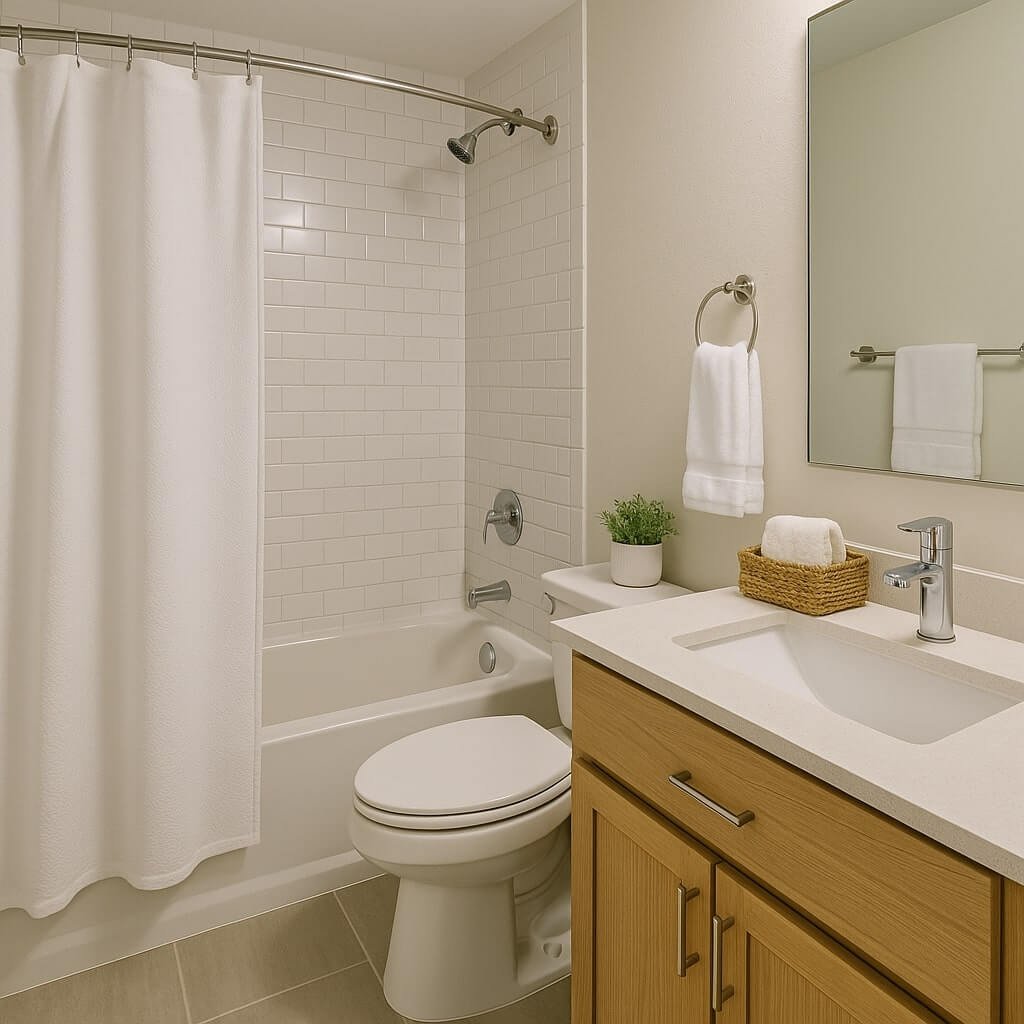
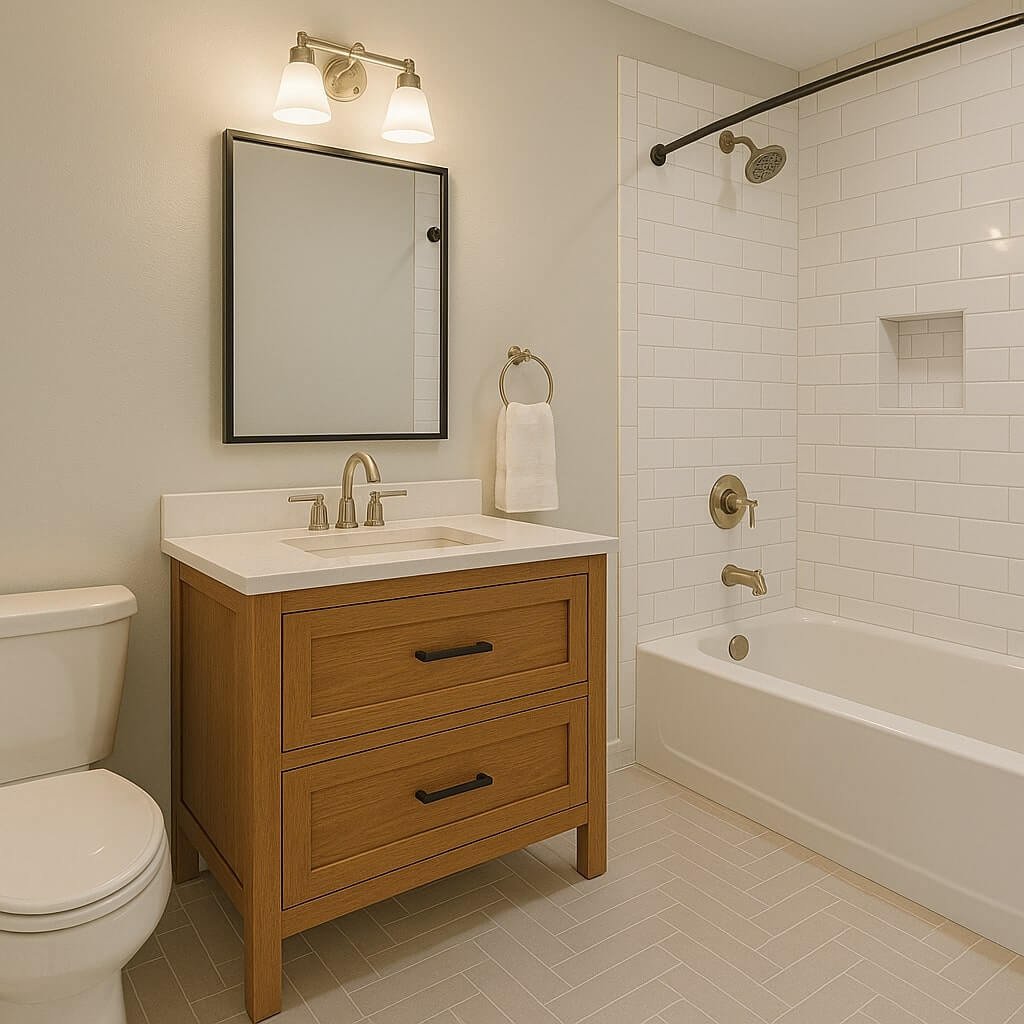
Maneuvering Medicare’s coverage for bathroom modifications can be complex. While these modifications can greatly enhance safety and independence for those with mobility issues, Medicare’s support is often limited. You’ll need to understand what types of modifications are considered medically necessary and how to document them. This understanding is key to ensuring you can secure the coverage you may need. What steps should you take to strengthen your case and maximize potential benefits?
Key Takeaways
- Medicare typically does not cover home modifications like grab bars unless deemed medically necessary with proper documentation.
- Coverage for bathroom modifications may include items like walk-in tubs if supported by a physician’s recommendation.
- Detailed documentation from healthcare providers is essential to demonstrate the medical necessity of modifications for Medicare approval.
- Regional variations in Medicare policies may affect coverage eligibility for bathroom modifications, requiring careful research.
- Exploring additional funding options, such as grants or nonprofit resources, can help cover the costs of necessary bathroom modifications.
Understanding Medicare Coverage Basics
When maneuvering Medicare coverage, it’s essential to understand the foundational aspects that dictate what services and modifications are covered.
Medicare basics include understanding the different parts: Part A for hospital insurance, Part B for medical services, and Part D for prescription drugs. Each part has specific coverage limitations that can impact your eligibility for certain modifications.
For instance, while Medicare covers medically necessary durable medical equipment, it may not extend to home modifications like grab bars or walk-in tubs. Knowing these nuances can help you navigate your options effectively and guarantee you receive the appropriate support for your needs.
The Importance of Bathroom Modifications
Bathroom modifications play a crucial role in enhancing safety and accessibility for individuals with mobility challenges. By installing grab bars, non-slip flooring, and raised toilets, you can greatly reduce the risk of falls and injuries.
These adjustments not only provide immediate safety improvement but also promote independence enhancement, allowing you to maintain your daily routines without assistance.
These modifications enhance safety and foster independence, enabling you to carry out daily routines with confidence.
Adapted bathrooms cater to diverse needs, ensuring you can navigate this essential space with confidence.
Ultimately, investing in these modifications fosters a more secure living environment, empowering you to enjoy greater autonomy and peace of mind in your home.
Types of Bathroom Modifications Covered
When considering bathroom modifications, it’s crucial to understand which types are covered by Medicare.
For instance, the installation of grab bars greatly enhances safety by providing support as you move around.
Additionally, walk-in tubs offer a safe bathing option, reducing the risk of slips and falls, making them a valuable modification for those with mobility challenges.
Grab Bars Installation
Installing grab bars can greatly enhance safety and accessibility in your bathroom, particularly for individuals with mobility challenges.
These essential fixtures provide stability and support, reducing the risk of falls.
When considering installation costs, it’s important to factor in both the price of the grab bars themselves and any labor expenses.
Medicare may cover some of these costs if they’re deemed medically necessary. However, you’ll need to consult with your healthcare provider and obtain the appropriate documentation.
Ensuring proper installation is key, as improperly installed grab bars can compromise safety and effectiveness.
Prioritize quality and compliance with safety standards.
Walk-in Tub Benefits
For individuals seeking additional safety features beyond grab bars, walk-in tubs present a valuable option for enhancing bathroom accessibility.
These tubs are designed with specific walk-in features that prioritize user safety, making bathing more manageable for those with mobility challenges.
Benefits include:
- Low threshold entry to prevent tripping
- Built-in seating for stability and comfort
- Anti-slip surfaces to reduce fall risk
- Handheld showerheads for easy reach
- Adjustable water temperature controls for safety
Eligibility Criteria for Coverage
To qualify for Medicare coverage on bathroom modifications, you must meet specific eligibility criteria that include medical necessity, age, and disability considerations.
Your healthcare provider plays an important role in determining whether the modifications are essential for your health and safety.
Additionally, understanding the limitations on services and providers can help you navigate the coverage process more effectively.
Medical Necessity Requirements
While many individuals may assume that all bathroom modifications are automatically covered by Medicare, understanding the medical necessity requirements is vital for determining eligibility.
To qualify, the modifications must meet specific coverage criteria, including:
- A physician’s recommendation for safety
- Documentation of the individual’s medical condition
- Evidence that modifications alleviate functional limitations
- Demonstration of how changes enhance daily living activities
- Compliance with Medicare’s guidelines on necessary equipment
If your bathroom modifications align with these factors, you may have a better chance of obtaining coverage through Medicare.
Always consult your healthcare provider to guarantee your needs are adequately documented.
Age and Disability Considerations
Understanding the eligibility criteria for Medicare coverage extends beyond medical necessity; it also involves age and disability considerations.
Medicare recognizes that as you age, your needs may shift, necessitating specific adaptations to your living environment. If you’re over 65 or have a qualifying disability, you may be eligible for coverage related to bathroom modifications.
These modifications address age-related needs and include features like grab bars or walk-in tubs, which facilitate safer access.
It’s crucial to provide documentation demonstrating how these adaptations enhance your daily living, ensuring you meet the criteria for coverage under Medicare guidelines.
Provider and Service Limitations
Eligibility for Medicare coverage of bathroom modifications hinges not only on the type of modifications needed but also on the providers and services involved.
Understanding provider limitations and service exclusions is essential for you. Here are key considerations:
- Modifications must be deemed medically necessary by a qualified provider.
- Only specific licensed professionals can perform installations.
- Some services, like cosmetic changes, aren’t covered.
- Coverage may vary based on geographic location and provider agreements.
- You must document all modifications and provide evidence of necessity.
Navigating these limitations guarantees you maximize your benefits while assuring compliance with Medicare’s guidelines.
Documentation and Assessment Process
To secure Medicare coverage for bathroom modifications, you must navigate a thorough documentation and assessment process.
First, familiarize yourself with the documentation requirements, which typically include medical records and a physician’s prescription detailing your need for modifications.
Next, understand the assessment criteria, which evaluate your ability to perform daily activities safely in the bathroom.
Make sure that your healthcare provider provides a detailed report outlining how these modifications directly impact your safety and functionality.
This detailed information is essential, as it will determine whether Medicare approves your request for bathroom modifications, ultimately supporting your independence and quality of life.
Steps to Request Bathroom Modifications
After completing the documentation and assessment process, the next step involves formally requesting bathroom modifications through Medicare.
The request process typically includes the following steps:
- Identify specific modification types needed, like grab bars or walk-in tubs.
- Gather supporting documentation, including a doctor’s recommendation.
- Complete the Medicare claim form accurately.
- Submit your request to your Medicare provider, ensuring all paperwork is included.
- Follow up to check the status of your request.
Alternative Funding Options for Home Modifications
While Medicare may not cover all the necessary bathroom modifications, there are several alternative funding options available that can help you enhance your home’s safety and accessibility.
You might explore state and local government programs offering grants for home improvement, particularly for seniors or individuals with disabilities. Nonprofit organizations often provide financial assistance or resources for modifications.
Additionally, consider low-interest loans or home equity lines of credit as a means to finance these improvements. Investigating these alternative funding sources can greatly reduce your out-of-pocket expenses while ensuring your home remains both functional and safe.
Potential Challenges in Securing Coverage
Securing coverage for bathroom modifications through Medicare can present several challenges that complicate the funding process. You might encounter:
- Coverage limitations that restrict certain modifications
- An extensive approval process requiring detailed documentation
- Variability in regional Medicare policies affecting eligibility
- Difficulties in obtaining necessary physician recommendations
- Delays in processing claims, leading to financial strain
These obstacles can create frustration and uncertainty, making it essential for you to understand the specific requirements and limitations that Medicare imposes.
Understanding Medicare’s specific requirements and limitations is crucial to overcoming coverage challenges for bathroom modifications.
Being aware of these challenges can help you navigate the complexities of securing the coverage you need for necessary bathroom modifications.
Resources for Assistance and Guidance
How can you effectively navigate the complexities of Medicare coverage for bathroom modifications?
Start by reaching out to local agencies that specialize in senior services. They often provide valuable insights into eligibility and available options.
Additionally, explore various funding resources, such as state grants or non-profit organizations, that could assist with costs.
Don’t hesitate to consult with Medicare representatives who can clarify specific coverage details.
Utilizing these resources will help you make informed decisions about modifications, ensuring you maximize your benefits while enhancing your bathroom’s accessibility.
Proper guidance can greatly ease the process and improve your living conditions.
Conclusion
In summary, maneuvering through Medicare’s coverage for bathroom modifications requires a clear understanding of their specific criteria and documentation needs. While certain modifications can greatly improve safety and independence, obtaining approval often hinges on demonstrating medical necessity. By thoroughly evaluating your situation and following the outlined steps, you can enhance your chances of securing coverage. Additionally, exploring alternative funding options can provide further support in making necessary bathroom modifications to accommodate mobility challenges.